
Blog
What You Can Check Before a Boiler Service
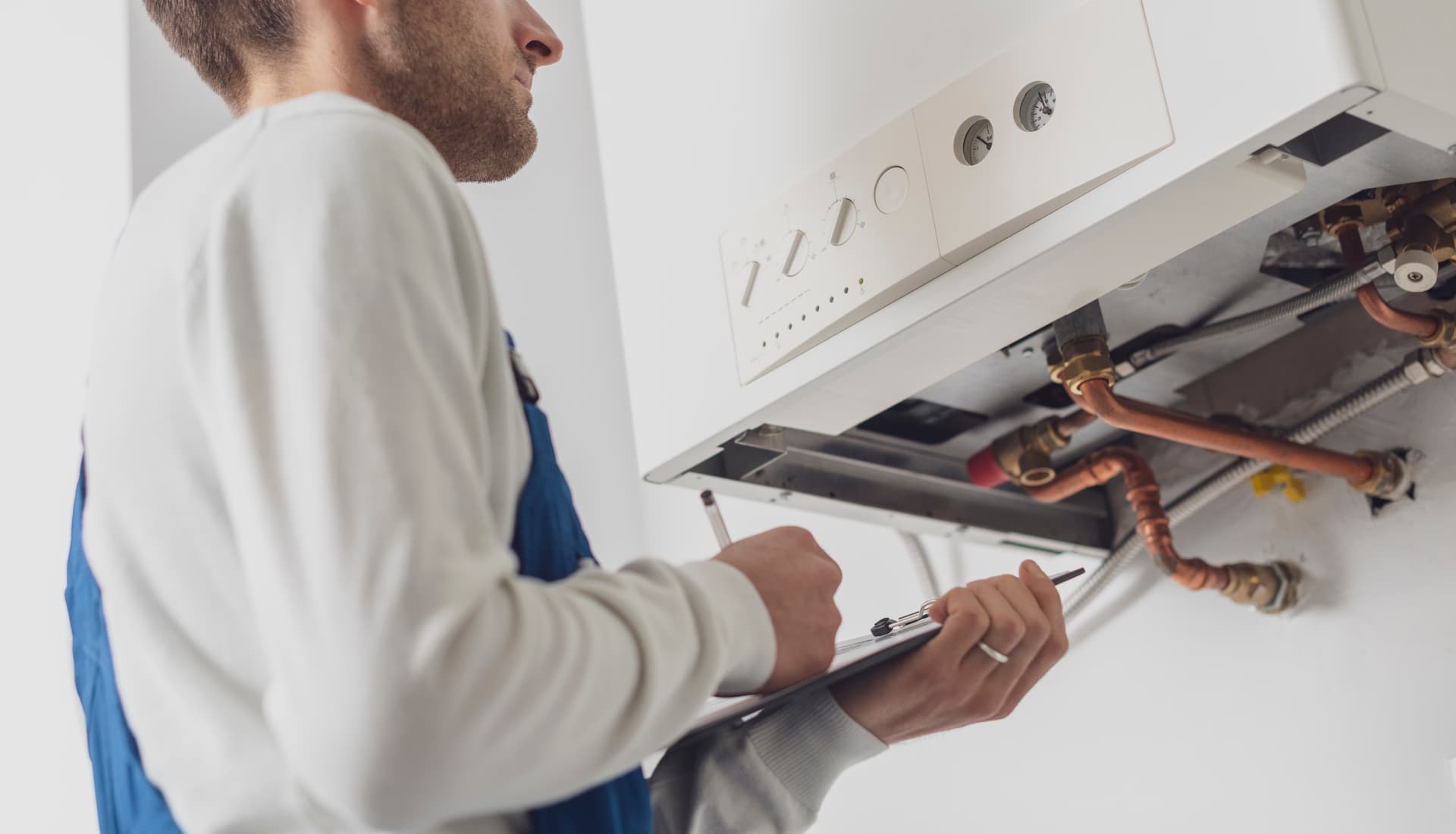
Make useful observations before the service
A boiler service involves checks that need a qualified engineer, but you can still do something useful beforehand: notice what the heating system is doing and record anything that seems unusual. These details can help us understand when a problem happens and whether it affects heating, hot water or both.
Before your appointment, you can read the boiler display, note any error message and describe what you heard or noticed. You do not need to interpret a fault code or diagnose the cause. A code is a clue, not a complete explanation of what has failed. If it appears intermittently, write down when it shows and what the boiler was doing at the time.
At HMS HEATING LTD, we provide boiler servicing for households around North Weald Bassett and nearby areas. If you would like to see the service overview, visit our Boiler Servicing page.
Check what the controls are asking the boiler to do
If the heating does not come on when expected, look at the room thermostat and heating timer (programmer). Note the selected temperature, the operating mode and whether the display appears to be calling for heat. For hot water, make a note of whether the issue affects every tap or only one. This is observation, not a reason to open the boiler or alter internal settings.
These details help separate a boiler concern from a control or system issue. For example, if the thermostat is set below the room temperature, it may not be asking the boiler to heat the home. If the controls appear to be requesting heat but the home stays cold, that is useful information to pass on. Avoid repeatedly changing settings to try to force a result, because it can make the original pattern harder to describe.
Read the pressure display, but do not guess at adjustments
If your boiler has a pressure gauge or pressure reading on its display, you can note what it shows while the system is cool and whether the reading changes noticeably during normal operation. Check the boiler instructions to understand what its indicator means. Different models can present information differently, so a reading should not be judged by guesswork or compared with a number taken from another boiler.
Do not keep topping up the system simply because you are unsure about the reading. Adding water without understanding why pressure has changed may conceal a developing issue rather than resolve it. If the display shows a warning, the reading changes repeatedly, or you are not sure what it means, record that and ask for advice. Leave any diagnosis and work on boiler components to a qualified person.
Look for visible changes without taking anything apart
From a safe position, look for water around the boiler and visible pipework. Note staining, damp patches or signs of rust or other damage, and whether they seem new or are changing. Do not remove the boiler casing to inspect behind it. Internal components and gas connections are not homeowner checks.
You can also observe the flue terminal (the outside end of the boiler’s exhaust pipe) from ground level if it is clearly visible. Note an obvious obstruction or damage, but do not climb a ladder, reach towards it or try to clear it yourself. If you cannot see it safely, leave it for the engineer. Never block or interfere with the flue.
Sound and smell can be useful observations too. Describe a new noise in ordinary terms, such as a repeated click or a rumble, and say when it occurs. Do not try to reproduce a worrying noise by repeatedly switching the boiler on and off. If you smell gas or have an immediate safety concern, stop using the appliance if it is safe to do so and follow the appropriate emergency guidance.
Keep a short note for the engineer
A simple record is more useful than a long list of guesses. Include the display message, when the issue occurs, which controls were set, whether heating or hot water is affected, and any visible change. If the problem comes and goes, say so. This gives the engineer a clearer starting point without asking you to decide what has caused it.
The boundary is straightforward: you can observe, read the controls and report what you find. Opening the casing, adjusting gas components, dismantling the flue or attempting internal repairs should be left to a qualified engineer. If your notes reveal a fault rather than a routine question, tell us when arranging the visit so the concern can be discussed appropriately.